
Ready to trade clutter for calm and complexity for clarity? Minimalist interior design is more than just an aesthetic; it’s a practical approach to creating a serene, functional, and stylish home. The core idea is simple: every piece of furniture should be chosen for its purpose and beauty, enhancing your space rather than just filling it.
Why does this matter?
- For homeowners: It means creating a peaceful retreat that's easy to clean and live in.
- For Airbnb hosts and real-estate agents: It translates to spaces that feel larger, more inviting, and highly marketable, boosting your listing's appeal.
- For interior designers: It’s a foundation for creating timeless, adaptable spaces for clients.
This guide provides 10 specific minimalist furniture ideas that work in any room, from a compact city apartment to a spacious family house. We'll give you practical, step-by-step tips on what to look for, from multi-functional modular sofas to sleek, wall-mounted desks that reclaim valuable floor space. For deeper insights into embracing this philosophy, consider reading up on mastering minimalism to personalize your space.
Before you commit to a purchase, we’ll also show you how to eliminate guesswork. Using an AI tool like Interior Redesign AI, you can upload a photo of your room and instantly visualize how these minimalist concepts will look. This saves time and money by letting you test different layouts, materials, and styles, ensuring every decision is confident and perfectly suited to your home.
1. Platform Beds with Integrated Storage
A platform bed with integrated storage is a game-changer for the bedroom. It combines two essential pieces—a bed frame and a dresser—into one streamlined unit. The low-profile frame creates a sense of openness, while built-in drawers or lift-up mechanisms conceal clutter, maximizing floor space.
This dual-functionality is perfect for small apartments, guest rooms, or any space where every square foot counts. By removing the need for a separate, bulky dresser, you instantly simplify the room’s layout. The clean, unbroken lines contribute to a serene atmosphere, which is a hallmark of minimalist design. This saves you money on extra furniture and reduces decision stress.
Why It Matters for Your Space
This choice embodies the minimalist principle of "less is more." Instead of two or three separate items (bed frame, box spring, dresser), you have one cohesive piece. This simplifies purchasing, arranging, and cleaning. The hidden storage is crucial for maintaining a tranquil, organized environment, which is especially appealing for rental properties and family homes where clutter can quickly build up.
Practical Tips
- Choose Your Material: Go for natural wood finishes like light oak for warmth, or a simple white or matte black for a modern, Scandinavian look. Match the finish to your existing color palette for harmony.
- Pick a Storage Type: Side drawers are great for frequently used items. A hydraulic lift-up base is ideal for seasonal items like extra bedding, as it uses the entire under-bed space.
- Consider Your Room Size: In a very small room, a lift-up mechanism is better because it doesn’t require clearance space to pull out drawers.
Visualize with AI: Unsure how a low-profile storage bed will look? Use an AI Interior Designer to see it instantly. Upload a photo of your room and prompt it with: "Replace my current bed with a minimalist oak platform bed with hidden under-bed storage drawers, Scandinavian style." This helps you confirm the scale and style before you commit.
2. Multi-Functional Modular Furniture Systems
A modular furniture system is the ultimate expression of adaptability. Instead of buying multiple, fixed-purpose items, you invest in individual components ("modules") that can be connected and reconfigured. This allows you to create custom shelving, storage, or even seating that perfectly fits your space and evolves with your needs.
This is a smart choice for renters and homeowners alike because it champions versatility and longevity. A system can start as a small bookcase in an apartment and later expand into a full-wall media unit in a larger home. This "buy once, adapt forever" philosophy reduces waste and saves money in the long run.
Why It Matters for Your Space
Modular furniture supports the goal of owning fewer, better things. A single system can serve as a TV stand, a library, a display case, and a storage cabinet. This declutters your physical space and your long-term consumption habits. The clean, grid-like structures bring a sense of order, preventing the visual chaos of mismatched pieces. Before buying, you can find inspiration by exploring interior design mood board examples.
Practical Tips
- Start Small: Begin with a basic configuration for your immediate needs. You can always buy more modules later.
- Plan the Layout: Measure your wall and sketch your desired configuration, paying attention to outlets and light switches.
- Stay Consistent: Choose one finish, like powder-coated steel or oak, and stick with it as you expand to ensure a unified look.
- Balance Form and Function: Mix open shelves for display with closed cabinets or drawers for hiding clutter. This balance is key to a clean, minimalist aesthetic.
Visualize with AI: Modular systems are a big investment. Use an AI Interior Designer to test your configuration risk-free. Upload a photo of your living room wall and use a prompt like: "Add a white String Pocket shelving system above the sofa, styled with minimalist decor and books." This allows you to perfect the scale, color, and placement.
3. Wall-Mounted Desks and Shelving
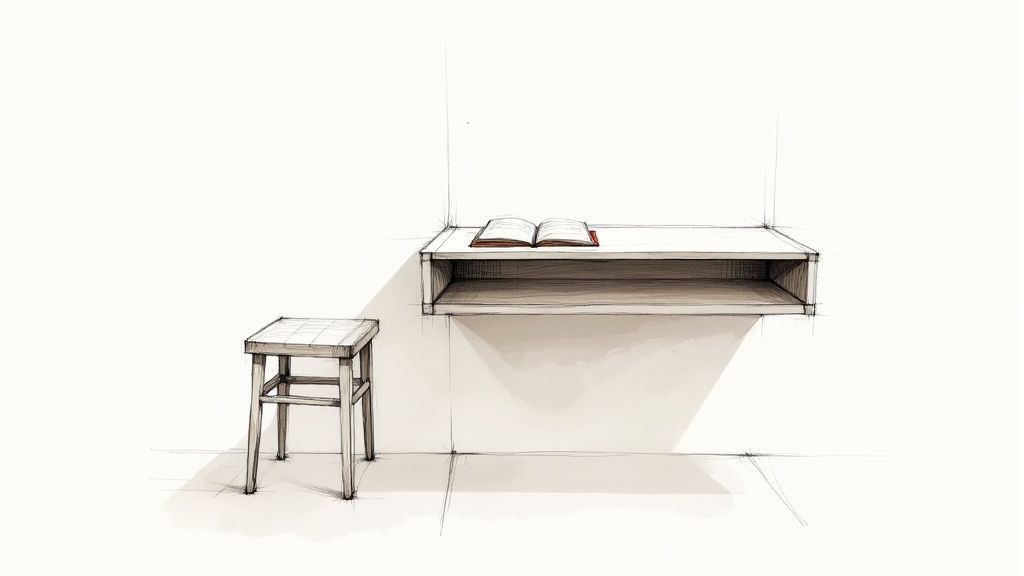
Wall-mounted (or "floating") desks and shelving are fantastic for reclaiming floor space. By attaching directly to the wall, they eliminate the need for bulky legs, creating a powerful illusion of spaciousness. This makes rooms feel larger and more open while providing essential function.
This elevated design not only maximizes the usable area underneath it but also simplifies cleaning. Whether it's a sleek desk in a home office or elegant shelves in a living room, floating furniture embodies a clean, architectural look that enhances a room's tranquility.
Why It Matters for Your Space
Floating furniture is a game-changer for small apartments, narrow hallways, or any area where a traditional desk or bookcase would feel overwhelming. It frees the floor from obstruction, a key principle in creating a serene environment. It also forces intentionality—you can only display what fits, discouraging clutter. This is a practical application of using vertical space to keep your floor plan open.
Practical Tips
- Install Securely: Always use a stud finder to locate wall studs for safe mounting, especially for a desk or heavy shelves. This prevents damage to your walls.
- Create Cohesion: Choose bracket styles and shelf materials that complement your room. Hidden brackets offer the cleanest look, while minimalist metal brackets can add a subtle industrial touch.
- Use Negative Space: Resist the urge to fill every inch of your shelves. "Negative space" is the empty area around objects; leaving some empty space makes your displayed items stand out and prevents a cluttered look.
- Manage Cables: For a floating desk, plan your cable management. Use adhesive cable clips or channels to keep wires for computers and lamps hidden.
Visualize with AI: Wondering how floating shelves will impact your room? Use an AI Interior Designer to preview the effect. Upload a picture of your living room and use the prompt: "Add a wall-mounted floating oak desk and three matching shelves above it to the main wall, Scandinavian style." This lets you experiment with placement without drilling a single hole.
4. Minimal Dining Tables with Clean Lines
A minimal dining table is a cornerstone of an uncluttered dining space. It's defined by a simple geometric form—often a rectangular or circular top supported by straight, unassuming legs. It strips away all ornamentation, focusing on function and quality materials to create quiet elegance.
A dining table is a natural focal point, and by choosing a simple design, you prevent it from overwhelming the room. Instead, it serves as a serene anchor for meals and conversations. This is perfect for open-concept living areas where the dining space needs to blend seamlessly with the rest of the home.
Why It Matters for Your Space
This choice embodies the design principle "form follows function." A dining table’s purpose is to provide a surface for eating, and a minimalist design honors this with a straightforward structure. It creates "negative space," or empty area around the object, which allows the room to feel more open and breathable. This is great for making smaller dining areas in apartments or homes feel more spacious.
Practical Tips
- Choose Your Material: Opt for natural materials that age gracefully. A solid oak or walnut table adds warmth, while a high-quality laminate or metal base offers a more modern feel.
- Stay Flexible: If you entertain occasionally but have a small household, consider a table with a hidden extension leaf. This maintains a small footprint for daily use while providing flexibility for guests.
- Style Simply: Complement the table with simple chairs, like wishbone or bentwood styles. Keep centerpieces minimal: a single vase or a simple ceramic bowl is enough to add personality without creating clutter.
Visualize with AI: Wondering if a sleek, modern table will fit your traditional dining room? Use an AI Interior Designer to test the concept. Upload a photo of your space and prompt it with: "Replace my current dining set with a minimalist rectangular oak dining table with slim black metal legs, Scandinavian style, and pair it with six simple black chairs." This helps you visualize the scale and style before purchasing.
5. Neutral Color Storage Ottomans and Benches
A neutral-colored storage ottoman or bench is a versatile workhorse for any room. This functional piece serves as extra seating, a footrest, a coffee table, and a discreet storage container all in one. Upholstered in muted tones like beige, grey, or cream, it blends into its surroundings, reducing visual clutter.
The genius of a storage ottoman is its ability to hide everyday items—blankets, remote controls, magazines, or toys—in plain sight. This makes it an indispensable asset in smaller homes, family rooms, or apartments where maximizing functionality is key. It adds comfort and texture without overwhelming the space, making it a smart choice for boosting the appeal of an Airbnb or a home for sale.
Why It Matters for Your Space
This piece is the definition of multi-functionality. Instead of needing a separate storage chest, an extra chair, and a coffee table, one well-chosen bench or ottoman can do it all. This consolidation streamlines the room and creates more open floor space. For a deeper look at options, a guide to upholstered ottomans and benches can offer insights into fabric choices and styles.
Practical Tips
- Pick a Durable Fabric: Choose high-quality fabrics like linen, boucle, or a tight-weave cotton blend. A subtle texture adds warmth without being visually noisy.
- Coordinate Colors: Select a neutral tone that complements your existing color palette. This ensures the piece acts as a quiet, functional anchor rather than a jarring focal point.
- Organize the Inside: Use fabric storage bins or dividers inside the ottoman to keep items organized and easy to find.
- Place It Strategically: In a living room, use it as a coffee table. At the foot of a bed, it’s perfect for storing extra linens. In an entryway, it offers a place to sit and remove shoes while hiding away winter gear.
Visualize with AI: Wondering if a sleek storage bench will clutter your entryway? Use an AI Interior Designer to test the concept. Upload a photo and prompt it with: "Add a long, light grey upholstered storage bench with black metal legs against the main wall, minimalist style." This allows you to check the scale and flow before buying.
6. Sleek Metal Frame Chairs with Simple Upholstery
Sleek metal frame chairs pair an exposed structural frame with simple, understated upholstery. This design philosophy celebrates honesty in materials by making the chair's construction visible. The thin lines of the steel or aluminum frame provide sturdy support without adding visual bulk, creating a feeling of lightness and space.
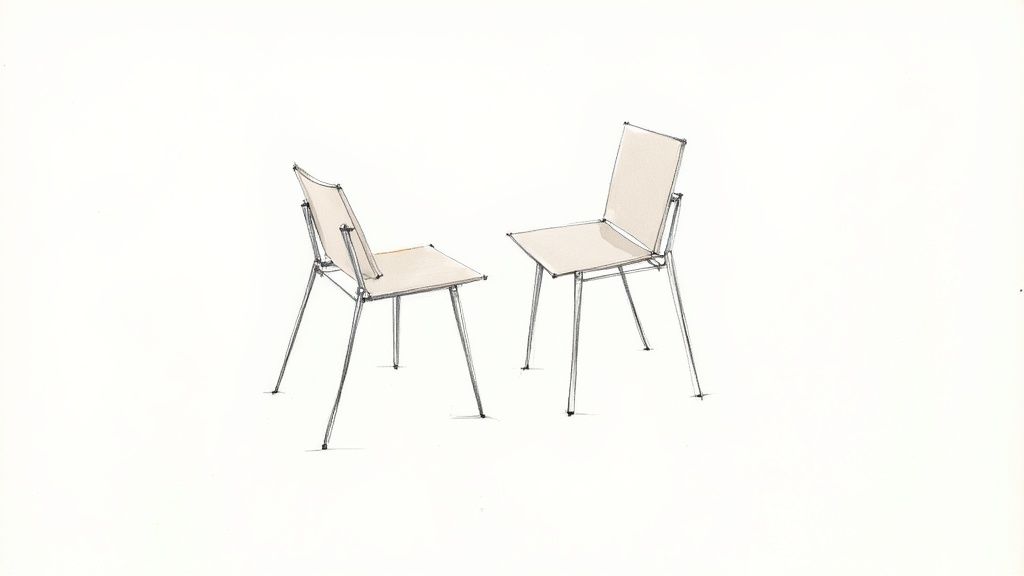
The chair becomes both a functional object and a sculptural element. By stripping away unnecessary ornamentation, the focus shifts to form, material, and comfort. This approach allows the chair to integrate seamlessly into a dining area, office, or living room without dominating the space.
Why It Matters for Your Space
This furniture type embodies functional transparency. Its see-through structure allows light to flow, preventing the chairs from feeling heavy and making a room appear larger and more open. This is particularly effective in small dining nooks or home offices. Their versatility is another key benefit—a single metal frame chair can serve as an accent piece, a desk chair, or part of a dining set, saving you from needing different chairs for every purpose. Learn more about how these pieces fit into broader design movements and discover their historical context.
Practical Tips
- Balance Materials: Pair the cool feel of metal frames with warmer elements like a wooden dining table or a plush area rug to create a welcoming atmosphere.
- Choose Upholstery Wisely: Opt for durable fabrics in neutral tones like gray, beige, or charcoal. For a touch of texture, consider leather or bouclé.
- Mix Finishes Thoughtfully: A polished chrome frame can add a touch of glamour, while a matte black or white frame provides a more modern, graphic look. The key is to maintain a consistent theme.
Visualize with AI: Worried that metal chairs will make your dining room feel too cold? Use an AI Interior Designer to eliminate the guesswork. Upload a photo of your dining space and prompt it with: "Place six black metal frame chairs with simple grey fabric upholstery around my oak dining table in a Scandinavian minimalist style." This lets you instantly see how the materials work together.
7. Minimalist Wooden Shelving Units
Minimalist wooden shelving units serve as both functional storage and a subtle aesthetic statement. These pieces emphasize natural materials and clean lines over ornamentation. By showcasing the beauty of the wood grain, they bring organic warmth and texture into a room without creating visual clutter.
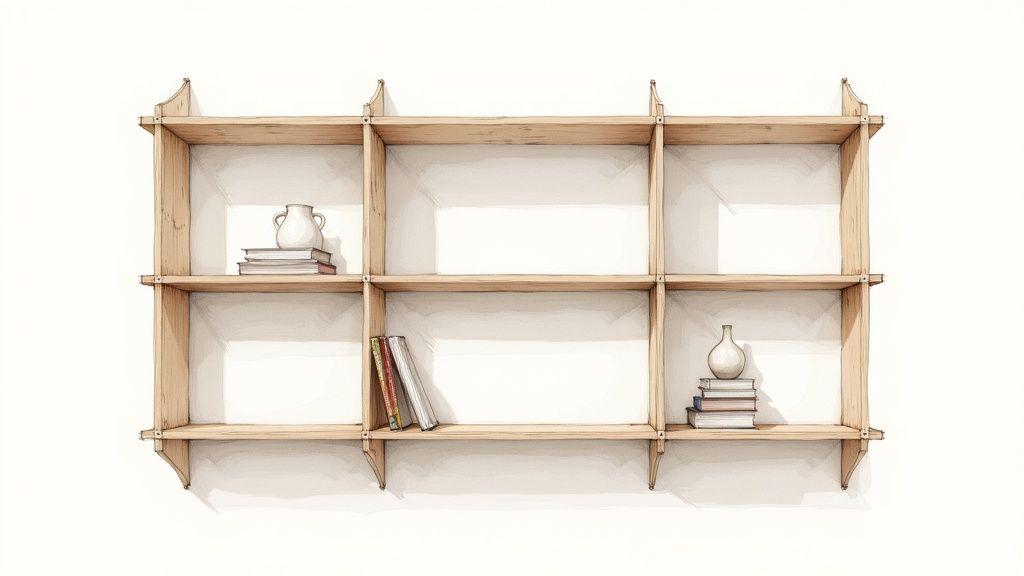
Unlike heavy, enclosed bookcases, open wooden shelving maintains a sense of airiness. This makes it an ideal choice for smaller apartments or rooms where maximizing the perception of space is key. This is one of the most versatile minimalist furniture ideas for a living room, office, or even a kitchen. For unique built-in options, you can even turn an unused closet into a custom shelving nook.
Why It Matters for Your Space
This furniture aligns with the principles of functional beauty and honest materials. Open shelving encourages a curated approach to display, forcing you to be intentional about what you showcase. This practice is essential for maintaining a calm, uncluttered environment, which is highly appealing to potential homebuyers or renters. It also embraces "negative space" (the empty areas around objects), which allows each displayed item to be appreciated individually.
Practical Tips
- Curate with Intention: Limit each shelf to just a few carefully chosen items to prevent a cluttered look.
- Create Balance: Don't feel the need to fill every space. Alternating between a small stack of books, a single vase, and an empty section creates a dynamic, balanced look.
- Choose the Right Wood: Pick a wood that complements your home’s existing palette. Light oak or pine works well for a bright, Scandinavian feel, while darker walnut can add warmth and sophistication.
Visualize with AI: Wondering if open shelving will make your room feel busy? Use an AI Interior Designer to test it. Upload a photo of your wall and prompt it with: "Add a wall-mounted minimalist floating shelf system in light oak to this living room wall, styled with a few books and a small ceramic pot, Japandi style." "Japandi" is a hybrid style blending Japanese minimalism with Scandinavian function—perfect for this look.
8. Minimal Glass and Metal Coffee Tables
A minimal glass and metal coffee table creates an illusion of space and light. It uses transparent materials, like a glass top and a slender metal frame, to reduce its visual footprint. The table appears to "float," allowing sightlines to pass through it and making the living area feel larger and more open.
This effect is why it's a great minimalist choice. Unlike a solid wood table that can visually dominate a room, a glass and metal design adds function without adding bulk. This is especially impactful in small apartments or compact living rooms where preserving a sense of spaciousness is a priority.
Why It Matters for Your Space
This coffee table perfectly embodies the minimalist focus on light and form. The simple geometry and transparent surface strip the object down to its essential structure. It’s a sophisticated and timeless choice that complements rather than competes with other elements in the room, making it a safe and stylish bet for staging a home for sale or designing a high-end rental property.
Practical Tips
- Choose a Frame Finish: A matte black or chrome frame provides a sharp, modern look. A brushed brass or gold finish can add a touch of warmth and understated luxury.
- Select the Right Glass: Consider tempered glass for durability and safety, especially in homes with children or pets. A smoked or frosted glass top offers a softer, more subdued alternative.
- Style Strategically: To maintain the minimalist effect, keep the surface mostly clear. Style with just one or two intentional items, such as a single art book, a small plant, or a sculptural candle holder.
Visualize with AI: Wondering if a glass table will look too cold in your cozy living room? Test the concept with an AI Interior Designer. Upload a photo of your space and use a prompt like: "Add a rectangular coffee table with a thin black metal frame and a clear glass top in front of my sofa, mid-century modern style." This lets you instantly see how it impacts the room's overall feel.
9. Minimalist Nightstands and Bedside Tables
Minimalist nightstands are the ultimate expression of intentional design in a bedroom. Rather than bulky pieces, these are small, functional tables that prioritize clean lines and purposeful storage. They offer just enough surface area for essentials like a lamp or a glass of water, often with a single drawer to keep items neatly tucked away.
This focused approach is one of the most impactful ways to create a tranquil sleep environment. By eliminating excessive surface space, you prevent the accumulation of clutter that often plagues traditional nightstands. This simplicity contributes directly to a more peaceful, organized bedroom—a huge selling point for any home.
Why It Matters for Your Space
This furniture choice embodies the focus on function over ornamentation. A simple nightstand serves its purpose without adding visual noise. Its small footprint is perfect for compact bedrooms in apartments or family homes where space is at a premium. This approach ensures every piece of furniture has a clear and necessary role, promoting a sense of calm and order.
Practical Tips
- Get the Proportions Right: Choose a nightstand whose surface is roughly level with the top of your mattress. A table that is too high or too low can disrupt the room's visual balance.
- Limit Surface Items: Restrict the top surface to a maximum of two or three items, such as a simple lamp, a book, and a small plant. A clear surface promotes a clear mind.
- Match Materials: Match the material or finish to your bed frame. A light oak nightstand paired with an oak bed frame creates a harmonious, cohesive look.
Visualize with AI: Wondering if a floating nightstand or a simple wooden table will work better? Use an AI Interior Designer to settle the debate. Upload a photo of your bedroom and try this prompt: "Add a small, single-drawer minimalist nightstand made of light walnut next to the bed, Mid-century modern style." This allows you to test different designs without any commitment.
10. Minimalist Console Tables and Entryway Furniture
A minimalist console table is a narrow, functional piece designed for transitional spaces like entryways and hallways. It offers a crucial landing spot for keys, mail, and other daily essentials without overwhelming the area. These tables emphasize clean lines and purposeful design, providing essential function while upholding minimalist principles.
The core purpose of this furniture is to create an organized and welcoming first impression. By offering a designated place for items that often create clutter, it maintains order from the moment someone enters your home. Its slim profile is perfect for narrow corridors where a bulkier piece would obstruct movement and make the space feel cramped.
Why It Matters for Your Space
This piece is all about intentionality. Its slender legs create an illusion of space, and its limited storage discourages clutter. This is a practical solution for any home, apartment, or rental, as it provides just enough surface area for what’s truly necessary in an entryway without taking up precious square footage. It immediately signals an organized, well-maintained home to visitors, buyers, or guests.
Practical Tips
- Select Your Material: Choose materials that echo other finishes in your home. A light oak brings warmth, while a black metal frame with a glass top offers a sleek, modern aesthetic.
- Pair with Wall Elements: Position a round mirror or a single piece of abstract art above the console to create a focal point. Install minimalist wall hooks nearby for coats and bags to keep the table surface clear.
- Use Storage Strategically: Use the open shelf below for a pair of shoes or a couple of woven baskets for concealed storage. Keep the drawer highly organized with dividers for keys and wallets.
Visualize with AI: Wondering how a slim console will define your entryway? Use an AI Interior Designer to see the effect. Upload a picture of your hallway and use the prompt: "Add a narrow minimalist console table made of light oak with a single drawer against the main wall, Scandinavian style." This allows you to test the scale and style before purchasing.
Minimalist Furniture: A Quick Comparison
| Item | Best For | Key Benefit | Why It Matters for Real Spaces |
|---|---|---|---|
| Platform Bed with Storage | Small Bedrooms, Apartments | Combines bed and dresser into one | Saves space and money; reduces clutter in personal retreats. |
| Modular Furniture System | Renters, Growing Families | Adapts to changing needs and spaces | Long-term investment that prevents re-buying furniture. |
| Wall-Mounted Desk/Shelves | Compact Home Offices, Hallways | Frees up valuable floor space | Makes small rooms feel significantly larger and more open. |
| Minimal Dining Table | Open-Concept Living, Small Dining Areas | Creates a calm, uncluttered gathering spot | Prevents visual clutter; great for staging homes. |
| Storage Ottoman/Bench | Living Rooms, Entryways, Family Homes | Hides clutter and provides extra seating | A multi-functional workhorse that boosts listing appeal. |
| Sleek Metal Frame Chairs | Dining Nooks, Modern Spaces | Adds seating without visual weight | Durable, easy to clean, and makes spaces feel airier. |
| Wooden Shelving Unit | Living Rooms, Home Libraries | Adds warmth and curated display space | Encourages intentional decor; less overwhelming than a bookcase. |
| Glass & Metal Coffee Table | Small Living Rooms, Contemporary Homes | Creates an illusion of more space | Its transparency keeps the room feeling light and uncluttered. |
| Minimalist Nightstand | Any Bedroom | Promotes a calm, organized sleep space | Encourages tidiness and reduces nighttime clutter. |
| Minimalist Console Table | Narrow Hallways, Entryways | Provides a functional landing spot | Creates an organized first impression without cramping the space. |
Bringing Your Minimalist Vision to Life, Instantly
The power of minimalist design lies not in what you remove, but in the intentionality of what you keep. The right minimalist furniture ideas don't just fill a space; they define it, creating an environment that feels calm, organized, and deeply personal. The core principle connecting all these ideas is multi-functionality. In a minimalist home, every item must earn its place.
This approach is more than an aesthetic—it’s a practical strategy for modern living, especially in apartments, smaller homes, and rental properties where every square foot is precious. It saves you money by consolidating purchases, reduces decision stress by simplifying choices, and boosts the appeal of your property for potential buyers or renters.
The Bridge Between Idea and Reality
The biggest challenge in any redesign is bridging the gap between inspiration and implementation. You can love the concept of a glass coffee table, but the question remains: “How will it actually look in my space?” This uncertainty often leads to decision paralysis or costly purchasing mistakes.
This is where technology becomes your most valuable design partner. AI can help you visualize these minimalist furniture ideas in your own room, instantly. While AI is a powerful tool for generating ideas and testing layouts, remember its limitations. It's best to combine AI-generated concepts with your own personal taste or consult a professional designer for complex projects.
Key Takeaway: The goal of minimalist furniture is to support your lifestyle. Use the principles of clean lines, neutral palettes, and multi-functionality as your guide, but always filter them through your own personal needs and comfort.
Practical Steps to Your Minimalist Home
Feeling inspired? Here’s how to take action with confidence:
- Audit Your Current Space: Before buying anything new, take inventory of what you already own. Identify what serves a purpose and what is simply creating clutter.
- Define Your Anchor Piece: For each room, choose one key piece of furniture to build around, like the sofa in the living room or the platform bed in the bedroom. This simplifies subsequent decisions.
- Visualize Before You Buy: This is the game-changer. Use an AI Interior Designer to upload a photo of your room. Test different minimalist furniture ideas from this article to see how they look against your wall color or fit in your entryway. This step saves time, money, and stress.
- Embrace the Process: Creating your ideal space is a marathon, not a sprint. Start with one room or even one corner. As you live with your new, intentional choices, you'll gain clarity to continue the transformation.
By following these steps, you shift from simply admiring minimalist design to actively creating it. You can make informed choices that align with your vision and budget, ensuring the final result is a space that is not only beautiful but truly your own.
Ready to stop guessing and start seeing? Instantly reimagine your room from a photo or sketch. Try Interior Redesign AI to bring these minimalist furniture ideas to life and make confident design decisions today.