Selling your home or getting more bookings for your Airbnb? A great first impression is everything. Effective staging helps potential buyers or renters imagine themselves living in your space, turning a simple property into their future home. It’s the secret to capturing their interest and boosting your property's appeal.
But staging is more than just tidying up. Today, it’s about creating a lifestyle and using smart tools to do it faster and on a budget. A well-staged home doesn't just look amazing in online photos (where most people start their search); it feels more inviting and valuable in person. This guide offers practical, actionable real estate staging tips that really work.
We’ll break down 10 key strategies, blending timeless design principles with modern technology. You will learn how to:
- Master the fundamentals like decluttering, lighting, and color.
- Use smart techniques to create focal points and layer textures.
- Leverage new tools, like AI Interior Designer, to visualize ideas before you spend a dime, saving you time, money, and stress.
This listicle gives you step-by-step advice for any space, whether you're in a sprawling house or a cozy apartment. You'll learn not just what to do, but why it works, empowering you to transform any property into a must-see listing that sells faster.
1. Declutter and Depersonalize to Create a Blank Canvas
The most important first step is to declutter and depersonalize. This means removing personal items, extra furniture, and general clutter to create a clean, neutral space. Why does this matter? It helps potential buyers or renters emotionally connect with the property by allowing them to envision their own lives and belongings there, instead of being distracted by yours.
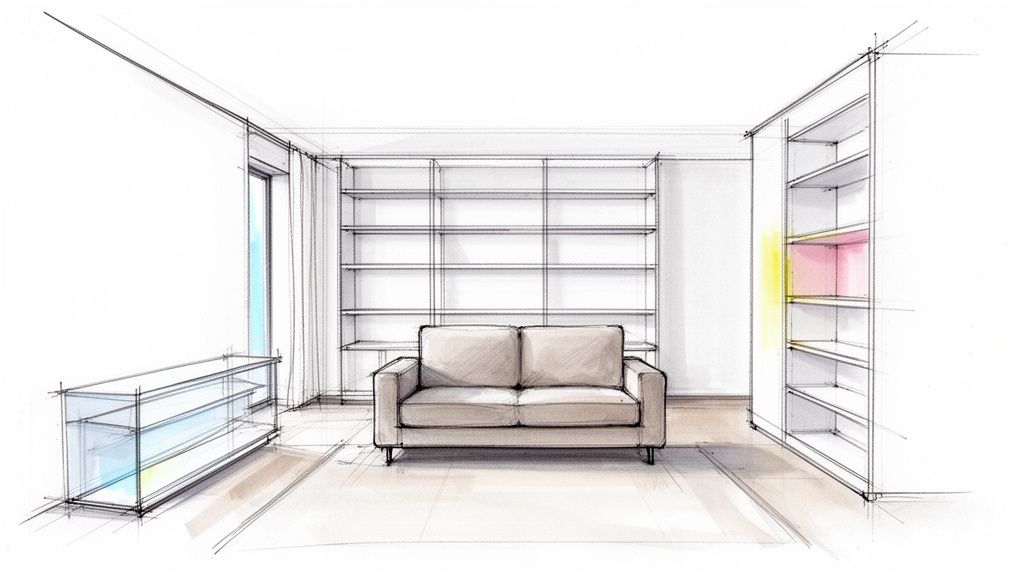
When a home is free from personal photos, collections, and unique decor, it appears larger, brighter, and more appealing to everyone. Think of it as a strategic marketing tool that broadens your property’s appeal. For families, this is key—it shows there’s plenty of room to grow. For renters, it proves the space is well-maintained and has ample storage.
Why It Works for Real Spaces
A depersonalized space allows buyers to project their own future onto the home. Seeing your family vacation photos makes it harder for them to see the house as their own. A clutter-free environment also signals that the home is well-cared-for, which is a major selling point. This is also vital for creating clean base images for virtual staging. AI tools like Interior Redesigne AI work best on an uncluttered backdrop, allowing you to test more versatile design concepts quickly.
Actionable Tips You Can Use Today
- Follow the One-Third Rule: Go through each room and remove at least one-third of your stuff. This applies to books on a shelf, decorations on a mantel, and even clothes in the closet to make it look more spacious.
- Tackle High-Impact Zones First: Start with the entryway, living room, kitchen, and primary bedroom. Clear all kitchen and bathroom countertops, leaving only a few simple decorative items (like a vase of flowers or a bowl of fresh fruit).
- Pack Away Personal Items: Box up all family photos, diplomas, kids' artwork, and unique collections. The goal is to create a welcoming vibe, like a boutique hotel or model home.
- Call in Help for Big Jobs: If you have a lot of clutter or old furniture, consider using professional junk removal services to clear the property efficiently. It's a small investment that makes a huge difference.
- Get Inspired by Simplicity: Need ideas for a clean, appealing look? Explore minimalist room designs that prioritize open space and simplicity.
2. Brighten Up with Great Lighting
Good lighting can completely transform a space, making it feel larger, cleaner, and much more welcoming. This strategy is all about maximizing natural light and adding layers of artificial light to create a warm, inviting atmosphere. A well-lit home looks fantastic in photos and makes buyers feel positive and happy during a showing.
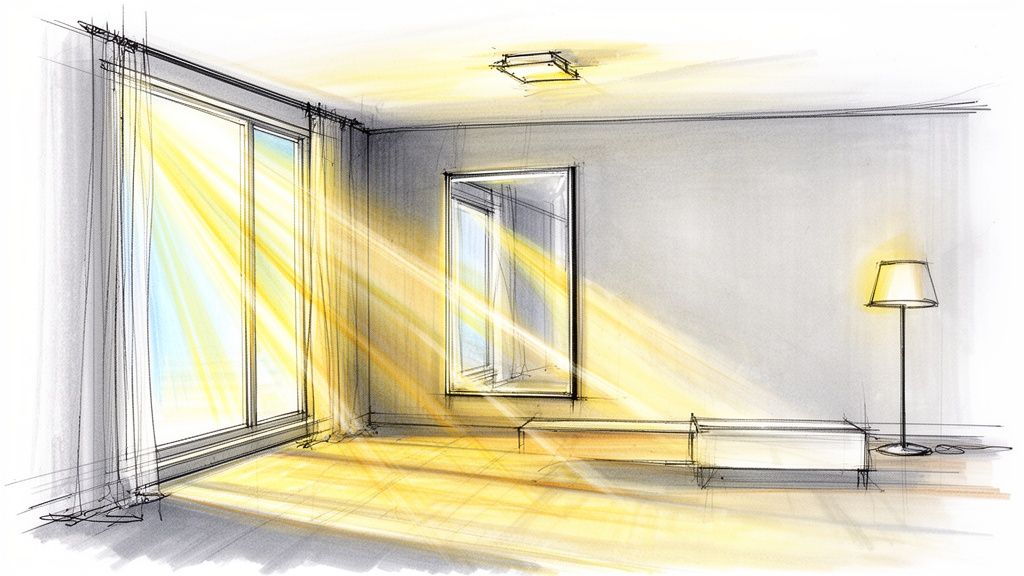
Boosting a property's lighting can highlight its best features, like shiny countertops or cool architectural details, while hiding minor flaws. It sets a mood that helps potential buyers connect with the space and imagine themselves living there. Even simple fixes, like cleaning windows or swapping out old light fixtures, can have a huge impact.
Why It Works for Real Spaces
Bright spaces are psychologically linked to positivity and cleanliness, making buyers feel more comfortable. Dark or poorly lit rooms, on the other hand, can feel small, dated, and depressing. By controlling the light, you control the atmosphere. Unsure which light fixtures to buy? AI Interior Designer can help you visualize different lighting schemes in your actual room, so you can choose the most effective options before spending any money. This saves time and reduces the stress of making the wrong choice.
Actionable Tips You Can Use Today
- Let the Sun In: Clean all your windows, inside and out. Trim any overgrown bushes or trees outside that might be blocking sunlight. For showings, pull back all curtains and open the blinds to let in as much natural light as possible.
- Layer Your Lighting: Every room should have three types of lighting: ambient (overhead lights), task (reading lamps, under-cabinet lights), and accent (lights that highlight artwork or architectural features). This creates a warm, layered look.
- Use the Right Bulbs: Stick to a consistent color temperature. Warm white (around 3000K) is perfect for living rooms and bedrooms to create a cozy feel. A cooler, brighter white (4000K+) works well in kitchens and bathrooms for a clean, crisp look.
- Choose Smart Window Treatments: The right curtains or blinds can soften light and add a touch of elegance. For tips on making the best choice, learn how to choose window treatments that complement your staging.
- Add Mirrors: Place a large mirror directly across from a window. It will reflect light around the room and create the illusion of more space.
3. Create a Focal Point in Every Room
Every great room has a "star"—a focal point that immediately draws your eye and anchors the space. In staging, creating or highlighting a focal point is key to making a room feel organized, intentional, and memorable. It guides a buyer's gaze and prevents the room from feeling chaotic. A focal point can be an existing feature like a fireplace or a large window with a view, or something you create, like a bold piece of art or an accent wall.
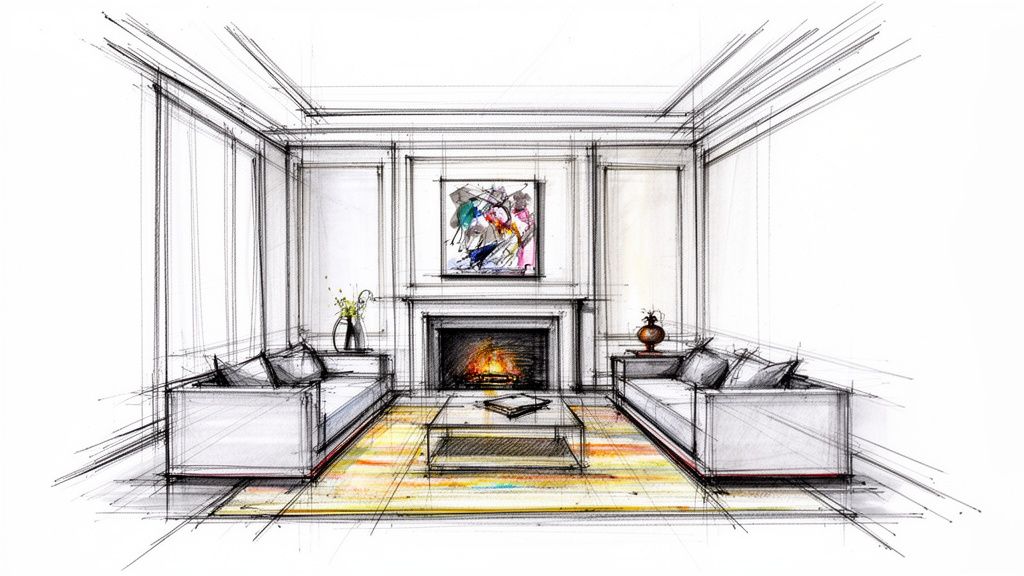
Arranging furniture around this central feature creates a natural flow. It tells a story about how the space can be used—for cozy conversations around the fire or relaxing while enjoying a beautiful view. By establishing a clear visual hierarchy, you make each room more inviting and easier for buyers to connect with.
Why It Works for Real Spaces
A room without a focal point can feel jumbled, leaving buyers unsure of its purpose. By establishing a clear point of interest, you define the room's function and highlight its best assets. This creates a sense of balance that is psychologically appealing. It also makes your listing photos look more professional and impactful. For apartments and small homes, a well-defined focal point can make the space feel more thoughtfully designed. This is where AI Interior Designer shines: you can test different focal points and furniture layouts to see what looks best without moving a single thing.
Actionable Tips You Can Use Today
- Find or Create a Star: In each room, identify the natural focal point. If there isn't one, create it with a large mirror, a striking piece of art, or an accent wall in a tasteful, bold color like deep navy or warm charcoal.
- Arrange Furniture for Conversation: Position your largest furniture piece, like the sofa, to face the focal point. Arrange other chairs to create a conversational grouping that feels connected and inviting.
- Use Light to Emphasize: Draw attention to your focal point with strategic lighting. A stylish floor lamp next to a fireplace or a picture light above artwork can enhance the effect.
- Plan Your Layout with AI: Before you start moving heavy furniture, upload a photo of your room to Interior Redesigne AI. You can instantly visualize different layouts to see which one best highlights your focal point, saving you time and effort.
4. Use a Neutral Color Palette (with a Pop of Personality!)
Choosing the right colors is a cornerstone of great staging. Neutral base colors like whites, grays, and beiges create a welcoming, sophisticated foundation that appeals to almost everyone. This approach lets potential buyers easily imagine their own furniture and style in the space, making it feel like a potential home rather than someone else's.
But neutral doesn't have to mean boring! The magic happens when you add strategic pops of color through artwork, throw pillows, rugs, and decor. These accents add personality and visual interest, guiding the buyer's eye to key features without overwhelming the room. It’s a smart way to balance universal appeal with memorable design.
Why It Works for Real Spaces
A neutral palette makes rooms look larger, brighter, and cleaner—all things buyers love. It acts as a blank canvas, highlighting the home's architecture and permanent fixtures like flooring. When buyers can easily picture their own stuff fitting in, they form a stronger connection. This is one of the most cost-effective and high-impact real estate staging tips for boosting a property's value. Plus, a neutral background is perfect for Airbnb hosts who want their listings to appeal to a wide variety of guests.
Actionable Tips You Can Use Today
- Follow the 60-30-10 Rule: For a balanced look, use your main neutral color on 60% of the room (like walls), a secondary neutral on 30% (furniture, rugs), and an accent color for the final 10% (pillows, art).
- Choose a Go-To Neutral: Popular, market-tested paint colors like Benjamin Moore’s 'Revere Pewter' or Sherwin-Williams' 'Accessible Beige' are winners for creating a warm, inviting vibe.
- Add Color with Accents: Use accent colors that complement the home's style. A deep blue can add a touch of modern elegance, while a warm terracotta can create a cozy, earthy feel.
- Test Colors with AI Before Painting: Worried about picking the wrong shade? Use an AI tool like Interior Redesigne AI. Just upload a photo of your room to instantly test different neutral paint colors and accent combinations. This helps you visualize how palettes will look with your specific lighting, saving you from a costly mistake.
- Bring in Texture: To keep a neutral room from feeling flat, add different textures. Think of a chunky knit throw, a velvet cushion, a woven rug, or natural wood elements.
5. Don't Forget Outdoor Spaces and Curb Appeal
The first impression of a property is made the moment someone sees it from the street—long before they step inside. Staging outdoor spaces and boosting curb appeal sets a positive tone and shows that the entire property has been well-cared-for. This means sprucing up everything from the lawn and garden to the front door and patio.
A well-staged exterior not only attracts more interest online but also makes the home seem more valuable. A fresh coat of paint on the front door, a tidy lawn, and a nicely arranged patio set all work together to create a powerful and positive welcome. This is crucial for both in-person viewings and listing photos.
Why It Works for Real Spaces
Great curb appeal can significantly increase a home's perceived value and draw more buyers in. A tidy, beautiful exterior suggests that the inside is just as nice, building buyer confidence from the start. For properties with patios or decks, staging helps buyers envision themselves relaxing or entertaining there, showing off the full lifestyle the home offers. Even a small apartment balcony can be staged with a bistro set and some plants to feel like a charming outdoor retreat.
Actionable Tips You Can Use Today
- Boost Your Entryway: Power wash the driveway and walkways. Add a new welcome mat, update the house numbers, and place a potted plant on each side of the front door for a touch of color.
- Tidy the Landscape: Mow the lawn, trim hedges, pull weeds, and add fresh mulch to garden beds. These simple actions create a clean, manicured look.
- Create an Outdoor "Room": Arrange patio furniture to create a clear conversation or dining area. Use an outdoor rug to anchor the space and add weather-resistant pillows for style and comfort.
- Plan with AI First: Not sure how to arrange your patio furniture? Upload a photo to an AI interior design tool. You can test different layouts and styles to see what works best before buying anything. For facade inspiration, explore ideas for a modern house exterior.
- Think About Nighttime Appeal: Install simple landscape lighting along walkways or hang string lights over a patio to add ambiance and highlight the property's features after dark.
6. Get Furniture Size and Layout Right
Great staging is about more than just pretty decor; it's about using the right-sized furniture and arranging it to maximize space and flow. Properly scaled furniture creates balance and makes a room feel open, while pieces that are too big or too small can make a space feel cramped or empty. A good layout ensures buyers can walk through the home easily, which directly impacts their experience.
The goal is to use furniture to define a room's purpose without overwhelming it. This helps potential buyers visualize how their own things might fit. By carefully considering scale and placement, you highlight the home's best features, making it one of the most effective real estate staging tips.
Why It Works for Real Spaces
A well-planned layout guides a buyer's eye and tells a story about how the room can be used. Oversized furniture can make even a large room feel small, while tiny furniture can make it feel cold. A thoughtful arrangement enhances walkability and creates clear sightlines, which is especially important in smaller homes and apartments. This is where AI Interior Designer becomes a huge help. You can experiment with different furniture scales and layouts virtually, removing the guesswork and preventing costly mistakes before you buy or move anything.
Actionable Tips You Can Use Today
- Measure Everything: Before placing furniture, measure the room's dimensions. Make sure there’s enough space for people to walk comfortably.
- Create Breathing Room: Don't push all the furniture against the walls. "Floating" a sofa in the middle of a large room can create a cozier, more defined seating area. This is a form of using “negative space”—the empty areas that give your layout balance.
- Prioritize Clear Pathways: Ensure there are clear walkways for movement. A good rule of thumb is to leave at least 18-24 inches between furniture pieces to avoid a cluttered feel.
- Arrange for Conversation: Group sofas and chairs to face each other, creating an inviting area for conversation.
- Visualize with AI: Use a tool like Interior Redesigne AI. Upload a photo of the room and instantly see multiple layout variations in different styles. This helps you find the perfect arrangement without any heavy lifting.
- Define Zones: In open-plan spaces, use rugs and furniture to create distinct zones, like a living area, dining space, or reading nook. Explore different living room layout ideas to see how arrangements can transform a space.
7. Highlight Your Home's Best Features
Every property has unique characteristics that can be turned into major selling points. Great staging draws a buyer's eye to these assets, whether it's original hardwood floors, a beautiful fireplace, or big, sunny windows. The goal is to make these special details unforgettable and showcase the home's character, setting it apart from the competition.
This approach turns staging into a storytelling tool. By emphasizing a home's best features, you help buyers connect with its unique charm. This is especially important for historic homes or properties with cool architectural details, where these features are exactly what attract discerning buyers.
Why It Works for Real Spaces
Buyers often fall in love with a home's unique details. A well-placed piece of art or a smart furniture arrangement can make features like high ceilings or built-in shelving truly pop. This creates memorable moments during a showing and helps justify the asking price. By consciously highlighting these elements, you guide the buyer's attention and ensure they don't miss the most valuable aspects of the home. This is one of the most effective real estate staging tips for elevating a property from "nice" to "must-have."
Actionable Tips You Can Use Today
- Make a "Best Of" List: Before staging, walk through your home and make a list of every unique feature. Note everything from special window casings and original tile to exposed brick walls.
- Use Strategic Lighting: Use accent lighting like a spotlight or uplight to draw attention to textures, like the detail in a stone hearth or the profile of crown molding.
- Complement, Don't Compete: Choose furniture and decor that enhance the home's architectural style, not clash with it. For example, use low-profile furniture to make high ceilings feel even more dramatic.
- Visualize with AI: Use tools like Interior Flux Studio AI to experiment with layouts that emphasize your home's best features. You can generate multiple renderings to see how different furniture placements highlight a large picture window or an open-concept flow.
- Direct Your Photographer: Tell your real estate photographer to capture specific shots that frame these key features. Use angles that make the fireplace the hero of the living room or show off the craftsmanship of a staircase.
8. Create a Cohesive Flow Throughout the Home
A key to high-end staging is creating a cohesive design flow that connects one room to the next. This means using a consistent color palette, repeating materials, and maintaining a similar style throughout the property. This strategy makes the entire home feel larger, more intentional, and professionally designed.
When each space relates to the others, it creates a seamless visual experience for buyers as they walk through. This transforms a collection of rooms into a unified home. It’s one of the more sophisticated real estate staging tips that can significantly elevate a property's perceived value.
Why It Works for Real Spaces
Visual continuity creates a sense of calm and order, which is very appealing to buyers. A home with a consistent flow feels thoughtfully planned and well-maintained. It avoids the jarring feeling that can happen when every room has a drastically different theme. For real estate agents and stagers, AI tools are a huge help here. Interior Redesigne AI can apply a single design style or color scheme across multiple room photos at once, ensuring perfect consistency and saving hours of manual design work.
Actionable Tips You Can Use Today
- Establish a Core Palette: Choose a primary neutral color (like a warm gray) and one or two accent colors to use throughout the home. Apply these consistently on walls, textiles, and major decor pieces.
- Repeat Key Materials: Create a sense of rhythm by repeating two or three materials. For example, use the same brushed brass finish on kitchen hardware, bathroom faucets, and hallway light fixtures.
- Check Your Sightlines: Stand in a doorway and look into the next room. The colors and styles you see should complement each other, creating an inviting and connected view.
- Use AI for a Quick Preview: Upload photos of every room into an AI interior design tool. Apply a consistent style, like "Modern Farmhouse" or "Japandi" (a mix of Japanese minimalism and Scandinavian function), to all images to instantly visualize how a cohesive theme will look across the entire property.
- Unify with Flooring: If possible, using the same flooring throughout the main living areas is a powerful way to create an uninterrupted visual flow.
9. Layer Textures to Add Warmth and Depth
To make a property look less "staged" and more "stylishly designed," focus on layering different textures and materials. This technique involves mixing elements like wood, metal, stone, and various fabrics to create depth, warmth, and visual interest. A room with great texture looks better in photos and feels more authentic and thoughtfully curated in person.
Layering engages the senses and adds a tactile quality that signals comfort and luxury. For real estate agents and interior designers, understanding how to mix textures is a key skill that can make a property stand out.
Why It Works for Real Spaces
A space with varied textures feels richer and more complete. Combining smooth surfaces like a marble countertop with rougher ones like natural wood or soft textiles like wool creates a dynamic and inviting environment. This sensory experience helps buyers form a stronger emotional connection to the home. This is also where AI visualization tools are invaluable. Platforms like Interior Redesigne AI allow you to experiment with countless material combinations—like testing different countertop materials or wood finishes—before committing to costly physical changes.
Actionable Tips You Can Use Today
- Mix 3-5 Materials: In each room, aim to combine three to five different materials. For example, in a living room, you could pair a wood floor with a linen sofa, brass light fixtures, and a marble coffee table.
- Balance Smooth and Textured: Create a pleasing contrast by balancing smooth materials (glass, polished metal) with textured ones (reclaimed wood, chunky knits). This balance is key to a sophisticated look.
- Layer Fabrics for a Cozy Feel: Enhance comfort by layering different fabrics. Think of a wool throw blanket on a leather chair, velvet pillows on a cotton sofa, or a jute rug under a sleek dining table.
- Use AI for Material Previews: Before you buy, use an AI tool to visualize how combinations of marble, oak, brick, or tile will look. This lets you test different finishes and see how they appear in your space in a realistic rendering.
- Stay True to the Home’s Vibe: Select materials that complement the property's architectural style. A modern home might use concrete and steel, while a rustic farmhouse would benefit from wood and stone. For inspiration, explore the principles behind boho-chic interior design.
10. Use AI Virtual Staging to Save Time and Money
In today's market, using digital tools like virtual staging is a game-changer. This method uses AI to create realistic renderings of a property, allowing buyers to see its full potential without any physical changes. This is perfect for vacant properties, outdated homes, or for showcasing multiple design possibilities to appeal to a wider audience.
AI staging transforms how homeowners and real estate agents approach listing a property. It's a powerful planning tool and a compelling marketing asset that speeds up buyer decisions while reducing the time, cost, and labor of traditional staging. This technology helps you sell faster and for a better price.
Why It Works for Real Spaces
Virtual staging removes buyer uncertainty. Instead of trying to imagine how an empty room could look, buyers see a professionally designed, move-in-ready vision. This creates a strong emotional connection and helps them overlook minor flaws. For real estate agents, this means more online interest, more qualified viewings, and faster offers. It’s also a fantastic way for Airbnb hosts to update their listing photos without buying all new furniture. While AI is a powerful tool, remember it works best when combined with your personal taste. Think of it as a creative partner to help you explore ideas.
Actionable Tips You Can Use Today
- Start with Good Photos: For the best results, upload clear, well-lit, and high-resolution photos of your space. Good lighting and sharp focus are crucial for the AI to work its magic.
- Explore Different Styles: Don't stick to one look. Use AI tools to generate variations in different styles like Modern, Scandinavian, or Luxury. This lets you see what has the broadest appeal for your target market.
- Create Immersive Walkthroughs: Go beyond static images by generating a walkthrough video. This is one of the most effective real estate staging tips for showing off the home's layout and making online listings feel more engaging.
- Showcase "Before and Afters": Use the virtually staged images alongside the original photos in your marketing. This powerfully demonstrates the property's potential.
- Boost Your Digital Marketing: Use the realistic renderings in your online listings, social media, and emails to stand out from the competition. To learn more, see how AI is revolutionizing virtual staging and its practical applications.
10-Point Real Estate Staging Tips Comparison
| Title | Implementation complexity | Resource requirements | Expected outcomes | Ideal use cases | Key advantages |
|---|---|---|---|---|---|
| Declutter and Depersonalize Spaces | Low–Moderate (labor/time) | Minimal: labor, short-term storage | Cleaner photos, increased perceived space, versatile AI renders | Occupied listings, quick pre-photo prep, short-term rentals | Fast impact on appeal; improves virtual staging fidelity |
| Optimize Lighting and Natural Light | Moderate–High (fixture work, planning) | Lighting fixtures, electrician, window treatments; $500–2k+ per room possible | Brighter rooms, +15–20% perceived spaciousness, better material rendering | Photo shoots, luxury listings, spaces with poor natural light | Enhances mood and photography; showcases materials |
| Create Focal Points with Strategic Furniture Placement | Moderate (design knowledge, rearrangement) | Furniture, rentals, designer time or AI testing | Clear visual hierarchy, guided attention, improved composition | Living rooms, feature-rich rooms, social spaces | Directs buyer focus; improves framing and flow |
| Use Neutral Color Palettes with Strategic Accents | Low–Moderate (painting, styling) | Paint, accent decor, time for sampling/AI previews | Broader market appeal, cohesive flow, easy later changes | Whole-property refreshes, resale prep, open-concept homes | Timeless appeal; reduces repaint risk; rapid virtual testing |
| Stage Outdoor Spaces and Curb Appeal | Moderate (landscaping, maintenance) | Landscaping, outdoor furniture, lighting; potential $3k+ for pro work | Strong first impressions, higher online interest, better showings | Single-family homes, rentals with patios/yards | High ROI; immediate listing impact; attracts more viewers |
| Strategic Furniture Sizing and Layout Planning | Moderate (measurements, planning) | Measuring tools, rentals/purchases, AI layout tools | Improved traffic flow, functional appeal, fewer purchase errors | Small rooms, awkward layouts, furnishing new builds | Prevents mis-sized purchases; optimizes usable space |
- Clarity and Space: The first steps of decluttering and optimizing furniture layout are non-negotiable. They create physical and visual breathing room, making every square foot feel more valuable. This isn't about erasing personality entirely but rather about neutralizing it so a broader audience can project their own lives onto the space.
- Atmosphere and Emotion: Light and color are your most powerful tools for setting the mood. A neutral color palette creates a serene, expansive backdrop, while strategic pops of color add energy and memorability. Proper lighting makes a home feel bright, cheerful, and welcoming from the moment someone walks in or sees the first online photo.
- Cohesion and Flow: A well-staged home feels connected. By maintaining a consistent design flow, using textures to add depth, and ensuring outdoor spaces feel like an extension of the interior, you create a holistic and immersive experience. This tells buyers that the home is well-cared-for and thoughtfully designed.
Ultimately, the most effective real estate staging tips empower you to sell not just a structure, but a lifestyle. You're selling the idea of quiet mornings with coffee in a sunlit kitchen, cozy evenings in a beautifully arranged living room, and relaxing weekends on a pristine patio.
The Modern Stager's Secret Weapon: Bridging Vision and Reality
The challenge has always been translating these concepts into reality without costly trial and error. How do you know if a different furniture layout will truly open up the room? What shade of neutral paint will work best with the existing flooring? This is where modern technology fundamentally changes the game.
Digital tools like AI-powered interior design platforms allow you to bypass the guesswork. Instead of committing to a physical change, you can upload a photo of your room and instantly visualize dozens of possibilities. You can test different furniture arrangements, experiment with paint colors, and even see how different design styles would look in your space. This is no longer a luxury reserved for professional designers; it's an accessible, powerful tool for homeowners, agents, and Airbnb hosts alike.
By leveraging AI, you can make informed, confident decisions that save you time, money, and stress. It empowers you to refine your staging plan with precision, ensuring every choice you make is the most impactful one. Combining the timeless principles of good design with the innovative power of technology is the definitive blueprint for staging success in today's competitive market.
Ready to stop guessing and start visualizing? Instantly reimagine your room from a photo or sketch with Interior Redesigne AI.
Discover your home's potential with Interior Flux Studio AI today!